

Is Online Homeschool Right for Your Child?
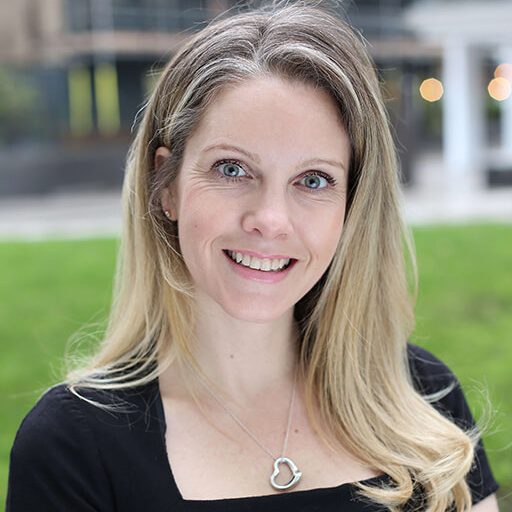
25 Years Educational Leadership & Teaching Experience in British Independent & International Schools
TL;DR
- Not all online homeschools are the same; they range from parent-led resource platforms to fully structured, live-taught online schools.
- A premium online education mirrors an independent school, featuring small classes, live lessons, and qualified teachers aligned with the British curriculum.
- Online learning is increasingly chosen by globally mobile families, athletes, and those seeking better academic rigour or wellbeing support.
- When selecting a provider, ambitious families must look beyond digital content and prioritise teaching quality, pastoral care, and external accreditation.
At 10.15 on a Tuesday morning, the difference becomes obvious. One child is working through a pre-recorded worksheet alone at the kitchen table. Another is in a live lesson with a qualified teacher, answering questions, getting feedback, and learning alongside peers. Both may be described as online homeschool, but the educational experience is not remotely the same.
That distinction matters. For many families, online learning is not a compromise but a deliberate choice - one made to support academic ambition, professional sport, international mobility, wellbeing, or a better fit than a crowded local school can offer. The real question is not whether online homeschool can work. It is what kind of online homeschool delivers a serious education, with proper teaching, structure and support.
What online homeschool actually means
The term online homeschool is used loosely, which is why parents often end up comparing completely different models. In some cases, it refers to traditional home education supported by digital resources. Parents remain responsible for planning, teaching and assessing work, while online platforms provide videos, worksheets or occasional tutoring.
In other cases, it means a full online school experience. Children follow a structured timetable, are taught live by qualified teachers, work towards recognised qualifications, and learn within a school community. That model is much closer to an independent school delivered online than to self-directed home education.
This is where many families need clarity. If your priority is complete parental freedom and a highly personalised home-led approach, a resource-based model may suit you. If your priority is academic rigour, consistent teaching, external accountability and progression through the British curriculum, a live online school is usually the stronger option.
Why more families are choosing online homeschool
With the Department for Education recording over 126,000 children in elective home education on a single census day in 2025, the rise in online education is not simply about convenience. Parents are making far more discerning decisions about the environment in which their children learn best.
For some, flexibility is the driver. Expatriate families—often relying on standards set by bodies like the Council of British International Schools (COBIS)—globally mobile households and children with demanding training schedules often need continuity without being tied to one location. An online school can provide that continuity while keeping pupils on track with a recognised curriculum.
For others, the appeal is quality. Large classes, disrupted learning and limited teacher attention leave many able children under-stretched and others unsupported. A well-run online model can offer smaller classes, sharper focus and more meaningful teacher contact than some physical schools manage in practice.
There is also the question of wellbeing. With government data showing that mental health is consistently cited as one of the primary reasons for elective home education, it is clear that not every child thrives in a busy campus environment. Some need a calmer setting, fewer social pressures or a timetable that allows space for health needs, travel or high-level extracurricular commitments. Online homeschool can create that flexibility without lowering expectations.
What good online homeschool looks like
As the Education Endowment Foundation (EEF) notes, teaching quality is far more important than how lessons are delivered. Quality is not about slick software or a large library of recorded content; it is about teaching, standards and relationships.
A strong online school starts with live lessons. Children learn best when they can ask questions in real time, hear ideas explained in different ways and be drawn into discussion. Real teaching creates momentum and accountability. It also allows teachers to notice the small things - hesitation, confidence, misunderstanding, progress - that never show up properly in automated platforms.
Class size matters as well. Small classes are not a marketing extra. As research shows that peer interactions provide crucial motivation and improve learning outcomes, they are what make true participation possible. In a group small enough for each pupil to be known, teaching becomes responsive rather than generic.
Teacher quality is equally non-negotiable. Families should expect fully qualified teachers with experience of the National Curriculum for England and the judgement to stretch, support and assess properly. If a provider talks endlessly about content but very little about teachers, that tells you something.
Driven by the strict safeguarding expectations required for regulated education settings, pastoral care is another dividing line. Children do not achieve because they have access to lessons alone. They achieve when they feel known, supported and safe. The best online schools build that deliberately through form time, regular communication, safeguarding systems and close relationships with families.
Finally, there must be a credible academic pathway. For younger pupils, that means a coherent curriculum with clear progression. For older students, it means recognised routes to IGCSEs and A-Levels, not vague promises about future options.
Online homeschool versus content platforms
Parents are often presented with online education as if all digital models belong in the same category. They do not.
A content platform gives families materials. A school provides teaching. That difference affects everything from motivation to outcomes.
With content-led models, much of the burden falls on parents. They must monitor engagement, explain difficult concepts, create routine and maintain standards. For some families, that is a positive choice. For many, this creates a significant parental burden that becomes unsustainable and stressful, especially across multiple children or demanding work schedules.
A live-taught school shifts that burden back where it belongs - to professional educators. Pupils have lessons to attend, deadlines to meet and teachers who know whether they are progressing. Parents gain visibility without having to become full-time instructors.
This is especially important in secondary education. As subjects become more specialised, children need expert teaching rather than general supervision, an approach supported by the guidance frameworks for high-quality full-time online provision. A teenager preparing for examinations needs more than access to revision videos. They need subject knowledge, feedback, exam technique and consistent academic expectations.
What ambitious families should ask before enrolling
Choosing online homeschool should involve the same scrutiny you would apply to any serious school. The right questions—often reflecting the rigour of an Ofsted quality assurance inspection—quickly reveal whether a provider offers a genuine education or a digital substitute.
Start with curriculum and accreditation. Is the school aligned with the National Curriculum for England? Are there recognised qualifications at the appropriate stages? Is the institution held to clear standards, such as the Department for Education's Online Education Accreditation Scheme (OEAS)?
Then look at the teaching model. How many live hours are delivered each week? Are lessons interactive? Who teaches them? Families seeking a premium online education should be wary of programmes built largely around independent study, especially for younger pupils.
Ask about class sizes and teacher contact. Personalised learning only works when teachers have time to know each pupil properly. It is worth asking how feedback is given, how progress is tracked and how often parents hear directly from staff.
Time zones, timetables and routine also deserve practical attention. A globally accessible school still needs a structure that works for real family life. The best providers are operationally thoughtful as well as academically strong.
And do not overlook community. Children need belonging, not just access. Enrichment, clubs, assemblies and peer interaction all matter because school is not only about exam results. It is also about confidence, communication and character.
Is online homeschool right for every child?
Not automatically, and serious schools should say so.
Some children flourish online because they enjoy focused learning, respond well to structure and value the calm of studying from home. Others may need more physical movement, more in-person social contact or additional support in managing independent routines. Age matters too. Younger children usually need very close collaboration between school and home, while older students need increasing ownership of their work.
Success often depends on fit rather than ideology. The best online schools recognise that education is not one-size-fits-all. They combine high expectations with flexibility, and they work closely with parents to judge whether the model suits the child in front of them.
For many families, though, the old assumption that online learning is second best no longer holds. When teaching is live, classes are small, standards are high and support is strong, the online environment can be every bit as rigorous as a traditional school - and in some cases more effective.
That is why schools such as Sophia High School have gained the trust of families who want more than convenience. They want Outstanding Outcomes, real teaching and a school experience built around both ambition and care.
The standard to expect from online homeschool
Parents should not have to choose between flexibility and excellence. That is the outdated trade-off at the heart of so many disappointing online options.
The better standard is clear: a structured British education, taught live by qualified teachers, with small classes, visible progress and pastoral support that makes children feel known. Anything less may still be online, but it is not the same as school.
If you are considering online homeschool, look past the label and examine the substance. Your child does not need more screen time. They need expert teaching, meaningful relationships and a learning environment that can carry real ambition well.

