What Life Skills Do Children Learn in Online Schools?
The Traditional School Experience
You, a parent of a school-aged child that grew in the 1980s, 1990s or 2000s, can probably recall how school was in your day:
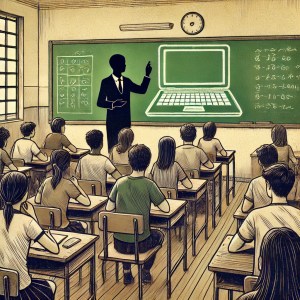
There was a classroom, a blackboard, and a teacher for every subject.
We learned from textbooks, visited libraries, and wrote in notebooks. Occasionally, a teacher might show us a documentary to watch.
I am a Millennial parent that grew up in Brazil in the 1990s, spending some of my teenage years in the US as well. Despite the social and cultural differences, there were common threads across all the classrooms I attended: many students already disliked the content and the way lessons were delivered. Not because the teachers were bad, but because there was an inherent struggle to fit all students into rigid boxes of content and discipline, and to expect them to excel at everything.
Challenges Faced by Students
It is highly likely that your own school experience was similar:
- There were the gifted students who found school meaningless. Many did not amount to much.
- There were those with learning difficulties who often felt ashamed or humiliated by low grades.
- There were students grappling with socialisation, gender, or health issues who were frequently targets of cruel bullying.
- There were bullies, especially teenagers, who openly expressed how much they disliked school, teachers, or classmates.
- Students who had to choose between education or being an elite high-performance athlete.
- And many of them would fail or abandon school for their own particular reasons.
School was for everyone, but it seemed like not everyone was fit for school. You remember that, don’t you?
The Need for Change
Since I graduated, the world has changed dramatically. And the new generations arriving into this world have changed even more. So, it is no longer fair to offer or demand from these generations the same methods of education we experienced, without alternatives.
As a parent, I think about this every day: are the schools and methods of today preparing children with the skills they need to be citizens of tomorrow’s world?
New Options as Online Learning
I believe the answer lies in what we see around ourselves: many of our friends work online, while others work in physical spaces. And most of the ones that start working online will develop new skills and adapt to it.
That’s why online high schools like Sophia are gaining traction among families worldwide, offering a different approach to education—one that adapts to the needs of the students of this generation.
And it can adapt to your children as well.
The Broader Benefits of Online Schooling: Preparing Students for Life
Education today isn’t just about academic knowledge; it’s about equipping students with the skills to thrive in life. The world demands adaptability, creativity, and lifelong learning—qualities traditional schools often overlook. Online schooling bridges this gap, focusing on future-ready skills essential for the evolving job market.
How Online Schooling Builds Life Skills
Online schooling goes beyond academics, helping students develop online schooling life skills that prepare them for a tech-driven future:
Digital Literacy: Unlike traditional classrooms that rely on blackboards and physical books, online students use the latest technology. They navigate virtual platforms, organise digital resources, and engage in discussions. These activities teach them to collaborate on platforms like Google Docs or present ideas via tools like Canva or PowerPoint—key skills in the modern workplace.
Self-Management: Without the fixed schedules of traditional schools, students learn to plan their time, prioritise tasks, and stay accountable. For example, balancing live classes with independent work mirrors real-world scenarios like remote jobs, where managing deadlines independently is essential.
Communication: Online schooling teaches students to express themselves clearly through emails, virtual presentations, and discussion forums. For example, responding thoughtfully to a teacher’s feedback in a chat or presenting a group project on Zoom builds professional communication skills.
Collaboration: Group assignments in online schools often involve teamwork across locations. Imagine a student in Brazil brainstorming with classmates in the UK and India on a shared project. This experience prepares them for global collaboration in workplaces increasingly reliant on remote teams.
Critical Thinking and Creativity: Online learning environments encourage students to solve problems creatively, such as researching sustainable solutions for climate change or designing a digital campaign for a hypothetical business. These tasks build critical thinking while allowing students to innovate.
Sophia High School: Life Skills in Action
Sophia High School integrates these life skills seamlessly into its learning approach:
- Modern Tools for Digital Literacy: Instead of outdated blackboards, students use interactive platforms like Minecraft for Education and Google Workspace for collaboration, ensuring they’re adept at modern tools used in universities and workplaces.
- Structured Independence: By combining daily live lessons with self-paced assignments, Sophia teaches students to set goals and manage their time effectively—skills essential for both academic success and future careers.
- Global Collaboration: Students at Sophia work with peers worldwide. For example, in group projects, a student might create a presentation with classmates in other countries, fostering teamwork and cultural understanding.
- Creativity and Problem Solving: Sophia’s project-based approach encourages students to think critically and creatively. Tasks like researching global issues or designing innovative solutions push them to apply knowledge practically.
- Personalised Support: With a 6:1 student-teacher ratio, students receive individual attention that nurtures their strengths and addresses their challenges, ensuring both academic and personal growth.