


Sophia High School’s Secondary Science Teacher
Science thrives on innovation, and innovation flourishes in diverse environments. To build a culture in science education where difference is valued, we must embrace inclusion in our virtual classrooms. This approach not only enhances the learning experience but also prepares students for the diverse world of scientific research and discovery.
Addressing Bias in Online School Education
To continue fostering true inclusion, we must address unconscious bias in education. This involves providing teachers with the tools and resources to integrate diversity into the curriculum. Through embedding these links and resources into existing science schemes of work, we aim to make this integration seamless and effective.
Representation Matters in Science
Representation matters in science education. Students need to see themselves reflected in the scientists they study and these role models should be relevant and relatable. While we acknowledge the predominantly white and male history of science, it’s crucial to explain the historical context that led to this imbalance. Understanding this history is important, learning from it and thus working towards a more inclusive future is key. We must also elevate contemporary scientists who represent diverse backgrounds, genders, and experiences. Figures like Mae Jemison, the first Black woman astronaut, and Venki Ramakrishnan, a Nobel laureate in chemistry, serve as examples of today’s diverse science culture. Elevating these individuals signals to students that science belongs to everyone.
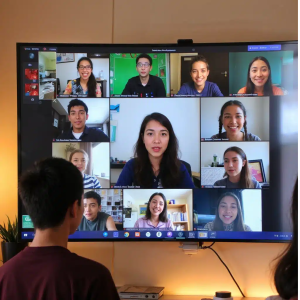
Creating a Culture of Inclusion in Science
This not only provides students with representative role models but also promotes a more diverse science culture. In highlighting modern scientists alongside historical figures, we create a more comprehensive, vivid, and inspiring picture of the scientific community.
Engaging Families in Online Science Learning
Inclusion extends beyond the classroom. Parents play a crucial role in shaping students’ attitudes towards science, and by actively engaging parents in science education, we can reinforce learning and spark curiosity at home—something we actively promote at Sophia High through our focus on Project-Based Learning. Virtual science fairs, webinars featuring diverse scientists, and showcasing how STEM careers are viable and rewarding for all students are some of the initiatives Sophia High is delivering to our current cohort.
Inspiring the Next Generation of Innovators
Ultimately, fostering inclusion in science education is about creating a culture where difference is not just accepted but celebrated. Through prioritising diverse role models, engaging parents, equipping educators, and recognising the historical and modern context of science, we can undoubtedly inspire a generation of innovators who reflect the world’s rich diversity. This work is not just for the benefit of our students at Sophia High; it is for the collective success in the future of science itself.

