


Lessons from Alysa Liu, Eileen Gu, and the future powerhouses we're building at Sophia365
TL;DR: Key Takeaways
- The Power of Identity: Olympic champions like Alysa Liu and Eileen Gu prove that protecting your identity outside of sport is the key to elite, sustainable performance.
- Direction Over Destination: Medals are outcomes, but purpose is a direction. Athletes who focus on their 'why' outlast those who just chase podiums.
- Owning Your Story: In the modern creator economy, authentic storytelling is essential. Real athletes don't let the media dictate their narrative.
- The Sophia365 Approach: We teach student-athletes to value the process, build a personal brand, and understand that taking a step back isn't quitting—it's strategy.
I've been absolutely obsessed with watching Alysa Liu this week at the 2026 Winter Olympics.
Figure skating gold medallist. 20 years old. Unbridled raw passion and emotion in every moment on the ice.
But it wasn't just the gold medal that stopped me.
It was her story.
The Power of Stepping Away
In 2023, at just 16 years old, Alysa Liu stepped away from competitive figure skating.
Not because she was injured.
Not because she failed.
Not because she didn't love the sport anymore.
Because she needed to experience life beyond the spotlight.
She needed to be a teenager. Go to school. Spend time with friends. Find joy outside the rink. Remember why she fell in love with skating in the first place.
The world didn't understand.
Elite athletes don't step away at their peak. Sponsors were waiting. Podiums were expected. Coaches were confused.
But Alysa knew something the system didn't:
She needed to loosen her grip on outcome and reattach to meaning.
And Then She Came Back
Four years later, Alysa Liu returned to competitive figure skating.
Stronger. More present. More connected to herself than ever before.
And this week, she won Olympic gold.
Not because she ground harder during her time away.
Not because she proved something to doubters.
Because she came back more herself than she'd ever been.
The interviews after her gold medal performance said it all.
Raw emotion. Unbridled joy. Authenticity that you can't fake.
This is what elite performance looks like when it's rooted in identity, not outcome.
The Pattern: Eileen Gu, Alysa Liu, and the Athletes Who Last
Alysa Liu isn't the first elite athlete to do this.
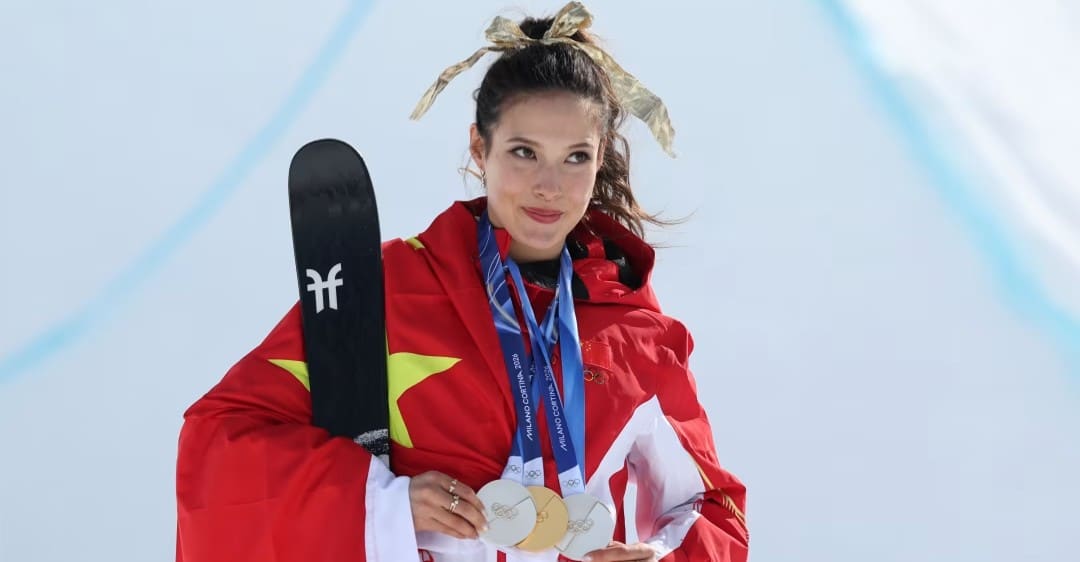
Eileen Gu stepped away from competitive skiing to focus on education at Stanford and pursue modelling and fashion.
The world questioned it. "Why would you step away at your peak?"
Then she came back. Won Olympic gold and two silvers. On her terms. She also did the press release for her gold just moments after learning her grandmother had passed away during her medal winning run that day.
Simone Biles withdrew from events at the Tokyo Olympics to prioritize mental health.
The world criticized. "Quitters don't win."
Then she came back. More medals. More dominant. More herself.
The pattern is clear:
The athletes who burn out are the ones who lose themselves chasing outcomes.
The athletes who last—and who become legends—are the ones who stay connected to why.
They know when to step back.
They protect their identity beyond sport.
They choose direction over destination.
And that's when they become unstoppable.
What We're Teaching at Sophia365
This is exactly what we're building into the Sophia365 programme for our elite student-athletes.
Not just training schedules and tournament prep.
But the mindset, skills, and self-awareness that separate athletes who burn out from athletes who become legends.
1. Direction Over Destination
We teach our athletes to ask: What's your direction? Not just what podium are you chasing.
Direction is about values. Purpose. The kind of athlete you want to become. The kind of person you want to be.
Destination is the medal. The ranking. The outcome.
Outcomes matter. But they can't be the only thing that matters.
Because when outcomes become identity, athletes crumble when results don't go their way.
When direction is identity, athletes stay grounded regardless of outcome.
Alysa Liu's direction: Love of skating. Joy on the ice. Being true to herself.
Her destination: Olympic gold.
She got there because she prioritized direction first.
2. Process Over Outcome
Elite performance isn't about the podium at the end.
It's about the daily work that no one sees.
The early morning training sessions. The recovery protocols. The mental prep. The video analysis. The small 1% improvements.
Process is what you control. Outcome is what you don't.
At Sophia365, we teach athletes to fall in love with the process.
Not because "the journey matters more than the destination" (that's cliché).
But because the process is what makes you excellent, regardless of whether you medal.
And excellent athletes who love the process outlast talented athletes chasing outcomes.
3. Identity Beyond Sport
This is the big one.
You are not just an athlete.
You're a student. A friend. A daughter or son. A person with interests beyond your sport.
When athletes tie their entire identity to performance, they're fragile.
One bad result = identity crisis.
One injury = existential collapse.
But athletes with identity beyond sport?
They're resilient. Because their worth isn't tied to podiums.
Alysa Liu stepped away to be a teenager.
To experience life beyond figure skating.
To build identity outside the rink.
And when she came back, she was more whole.
Not just a skater. A person who skates.
That's the difference.
4. Ownership of Your Story
At Sophia365, we teach athletes: Your story is yours to tell.
Not your coach's. Not your sponsors'. Not the media's.
Yours.
We teach content creation, storytelling, personal branding—not as "nice to have" marketing skills.
But as essential tools for owning your narrative.
Because in 2026, athletes who can't tell their own story have it told for them.
And the story told for you is rarely the one you'd choose.
Alysa Liu's post-gold interviews weren't polished PR speak.
They were raw. Emotional. Authentic.
That's ownership.
5. Permission to Step Back
This is what the system gets wrong.
Rest isn't weakness. Stepping back isn't quitting.
It's strategy.
Elite athletes who never step back burn out.
Elite athletes who know when to rest, recharge, and reconnect come back stronger.
At Sophia365, we give our athletes permission to be human.
Not machines. Not always "on." Not grinding 24/7 because that's what elite looks like.
Elite looks like knowing when to push and when to pull back.
Alysa Liu knew this at 16.
Most adults never learn it.
The Future Powerhouses We're Building
At Sophia365, we're not just developing athletes who win medals.
We're developing athletes who last.
Who stay connected to themselves through wins and losses.
Who know their worth isn't tied to podiums.
Who can tell their own story with authenticity and power.
Who understand that direction matters more than destination.
These are the future powerhouses of sport.
Not because they're grinding harder than everyone else.
Because they know who they are beyond the sport.
And that's what makes them unstoppable.
The Power of Storytelling and Brand Building
What struck me most about Alysa Liu wasn't just the gold medal.
It was how she owned her truth.
The raw emotion. The unbridled passion. The authenticity.
You can't fake that.
You can't media-train that.
That's what happens when athletes stay connected to themselves.
And in a world of polished PR and performative authenticity, real stands out.
This is what we're teaching at Sophia365:
How to build your brand around who you actually are (not who you think sponsors want you to be).
How to tell your story in your voice (not filtered through agents and media).
How to own your truth (even when it's messy, even when it's raw, even when it doesn't fit the narrative people expect).
Because the most powerful brands in sport aren't the most polished.
They're the most real.
What Olympics 2026 Reminded Me
Watching Alysa Liu win gold this week reminded me why we built Sophia365.
Not to create robots who grind 24/7 and burn out by 20.
But to develop whole humans who happen to be exceptional athletes.
Athletes who:
- Know their why
- Own their story
- Protect their identity beyond sport
- Choose process over outcome
- Have permission to step back and come back stronger
These are the athletes who become legends.
Not because they never struggled.
Because they stayed connected to themselves through it all.
To Our Sophia365 Athletes
You're learning what took Alysa Liu and Eileen Gu years to figure out.
Direction over destination.
Process over outcome.
Identity beyond sport.
You're building brands rooted in authenticity, not performance.
You're telling stories that are yours, not borrowed.
You're becoming powerhouses—not because you're grinding harder, but because you know who you are.
Keep going.
Stay connected to your why.
And when the spotlight finds you (and it will), you'll be ready.
Not just to perform.
But to be yourself on the biggest stage.
That's what champions look like.
Want to learn more about Sophia365 and how we're developing the next generation of elite student-athletes? Explore Sophia365 or book a discovery call.

